


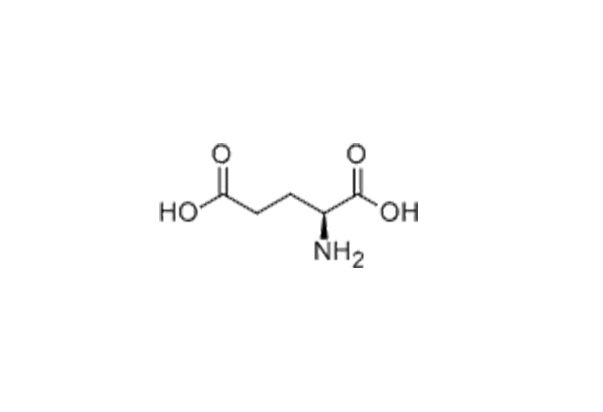
Cas N0. :56-86-0 Molecular formula :C5H9NO4
Glutamic acid, chemical formula C5H9NO4, molecular weight 147.13, is an acidic amino acid. The molecule contains two carboxyl groups, and the chemical name is α-aminoglutaric acid. Glutamic acid was discovered by Rissson in 1856. It is a colorless crystal with an umami taste. It is slightly soluble in water but soluble in hydrochloric acid solution. Its isoelectric point is 3.22. Glutamic acid is abundantly present in cereal protein, and it is also abundant in animal brains. Glutamate plays an important role in protein metabolism in organisms and participates in many important chemical reactions in animals, plants and microorganisms. MSG contains a small amount of glutamic acid.
 Contact us

Ningbo long Time Chemistry Co., Ltd. is a company mainly engaged in chemical trade, and closely cooperates with domestic R & D companies to develop and produce characteristic intermediates
Copyright 2022 Ningbo long Time Chemistry Co., Ltd. 浙ICP备2022010264号


